

Being hit by a driver who then flees the scene is one of the most disorienting experiences imaginable. One moment you’re driving through Atlanta, and the next you’re dealing with a damaged vehicle, possible injuries, and a license plate disappearing into traffic.
Hit-and-run accidents leave victims in a particularly difficult position. You may not know who hit you, whether they have insurance, or how you’ll pay for your medical bills and car repairs. The situation feels overwhelming, especially when you’re also dealing with shock and pain.
The good news is that you’re not powerless. Georgia law gives hit-and-run victims real legal options, and there are specific steps you can take right after the crash to protect your ability to recover compensation. What you do in the hours and days following the accident can make or break your case. This guide walks you through exactly what to do.
Step 1: Stay Safe & Call 911 Immediately
Your safety comes before anything else. If your car is in a dangerous position, move it to the side of the road if you can do so safely. Turn on your hazard lights and stay as visible as possible to other drivers.
Call 911 right away, even if your injuries seem minor. Emergency responders will assess your condition and, more importantly, a police officer will come to the scene to document what happened. That police report becomes one of the most important pieces of evidence in your case.
While you wait for help, do not leave the scene. Stay put, stay calm, and focus on gathering as much information as you can before help arrives.
Step 2: Gather Evidence at the Scene
Every detail you capture at the scene can support your case later. Even if the at-fault driver fled, there’s still a lot of evidence available to you in the immediate aftermath.
Here’s what to collect and document before you leave the scene:
- Photos of your vehicle damage from multiple angles
- Photos of the road, skid marks, debris, and the surrounding area
- Any paint transfer from the other vehicle left on yours
- Witness names and phone numbers — people who saw the crash or the fleeing vehicle
- Partial license plate numbers or a description of the vehicle’s make, model, and color
- Nearby business names that might have surveillance cameras pointing toward the road
Do not rely on memory. Take photos of everything. Ask any witnesses to stay until the police arrive so they can give official statements.
Step 3: File a Police Report Without Delay
Filing a police report after hit-and-run accidents is not optional; it’s something you must do to protect your legal rights in Georgia.
If an officer responds to the scene, give them a full account of what happened. Be accurate and detailed. Describe the other vehicle as specifically as you can, even if you only caught a partial glimpse.
If the officer does not come to the scene, go to your nearest Atlanta police precinct and file a report in person as soon as possible. You can also file online through the Atlanta Police Department’s reporting portal for certain types of incidents.
Keep a copy of your report number and request the full report once it’s available. Your insurance company and your attorney will both need it. A missing or delayed police report can create problems when you file an uninsured motorist claim, so do not wait.
Step 4: Seek Medical Attention Right Away
Even if you feel okay after the crash, see a doctor the same day. Many injuries from hit-and-run accidents, including whiplash, internal bruising, and concussions, don’t show obvious symptoms immediately. Adrenaline can mask pain for hours or even days.
Going to a doctor creates a medical record that links your injuries directly to the accident. If you delay treatment and try to make a claim weeks later, insurance companies will argue that your injuries happened elsewhere or weren’t serious. That argument can significantly reduce what you recover.
Keep every receipt, document every appointment, and save all records related to your treatment. Medical records and bills are key pieces of evidence in both insurance claims and potential lawsuits.
Step 5: Notify Your Insurance Company
Report the accident to your own insurance company promptly. Georgia law generally requires you to report accidents within a reasonable time, and many insurance policies have their own notification deadlines written into the contract.
When you call, give the facts, the time, location, and what you observed about the other vehicle. You are not required to give a recorded statement immediately or sign any documents right away.
Be careful about one thing: insurance adjusters may sound helpful, but they are looking for ways to limit what they pay out. Do not accept any settlement offers before speaking with an attorney. Once you accept a settlement, you typically cannot go back and ask for more, even if your injuries turn out to be worse than you initially thought.
Step 6: Understand Your Uninsured Motorist Coverage in Georgia
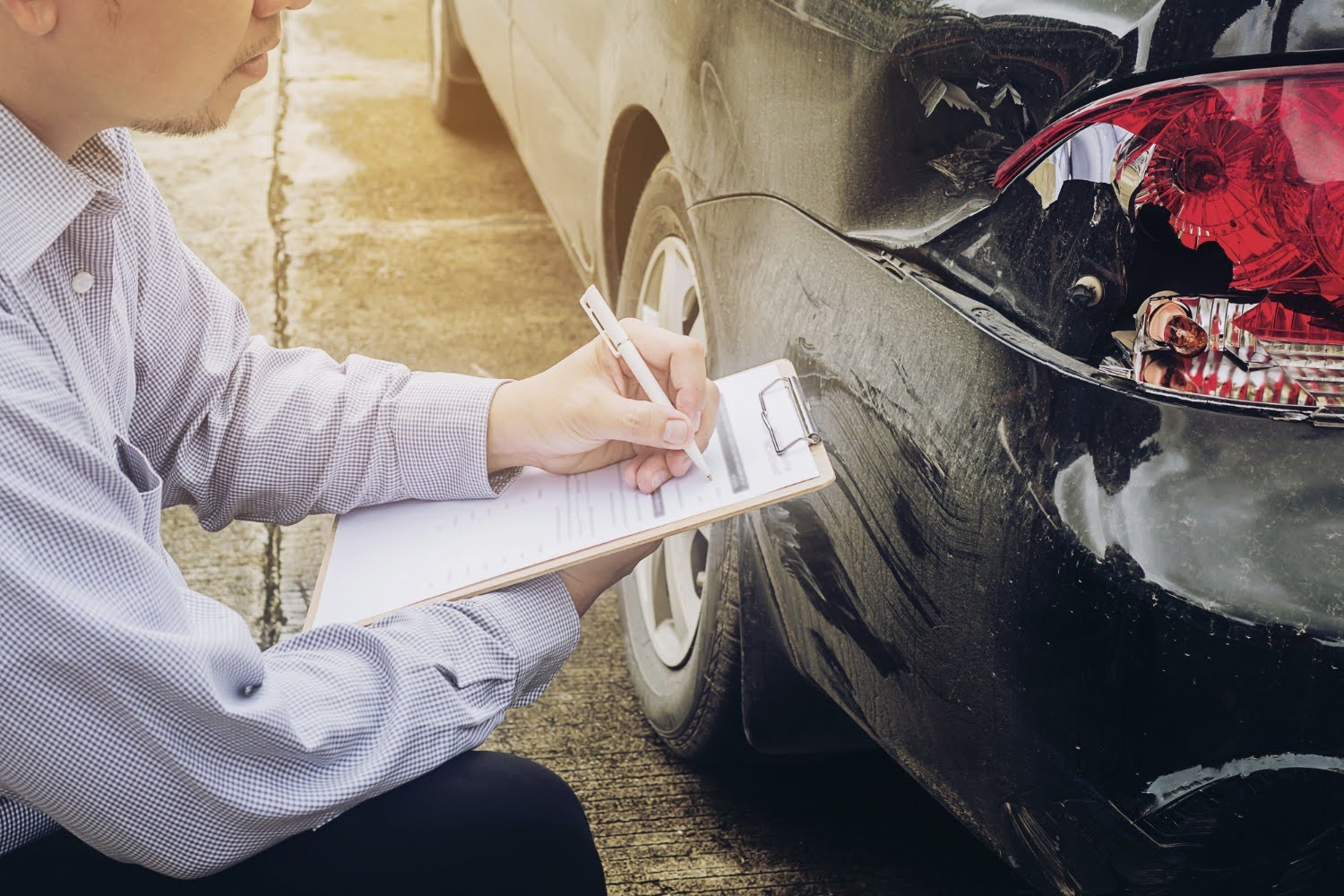
Georgia law gives hit-and-run victims a critical financial safety net through uninsured motorist (UM) coverage. If the driver who hit you cannot be identified or has no insurance, your own UM policy can cover your damages.
Here’s how Georgia’s uninsured motorist coverage works in the context of hit-and-run accidents:
| Coverage Type | What It Covers | Key Requirement |
| UM Bodily Injury | Medical bills, lost wages, pain and suffering | Must report accident and make a timely claim |
| UM Property Damage | Repair or replacement of your vehicle | Physical contact with the other vehicle required |
| Stacked UM Coverage | Higher combined limits from multiple policies | Must elect stacking in your policy |
| Underinsured Motorist (UIM) | Covers gap if identified driver has insufficient insurance | Applies when at-fault driver is found but underinsured |
Georgia requires insurers to offer UM coverage, but many drivers don’t fully understand what they have, or don’t have, until they need it. Reviewing your policy now, or having an attorney review it for you, can make a significant difference in what you’re able to recover.
Rafaeli Law regularly helps clients analyze their UM policies to identify every dollar of coverage available after hit-and-run accidents in Atlanta.
Step 7: Pursue Surveillance Footage Before It’s Gone
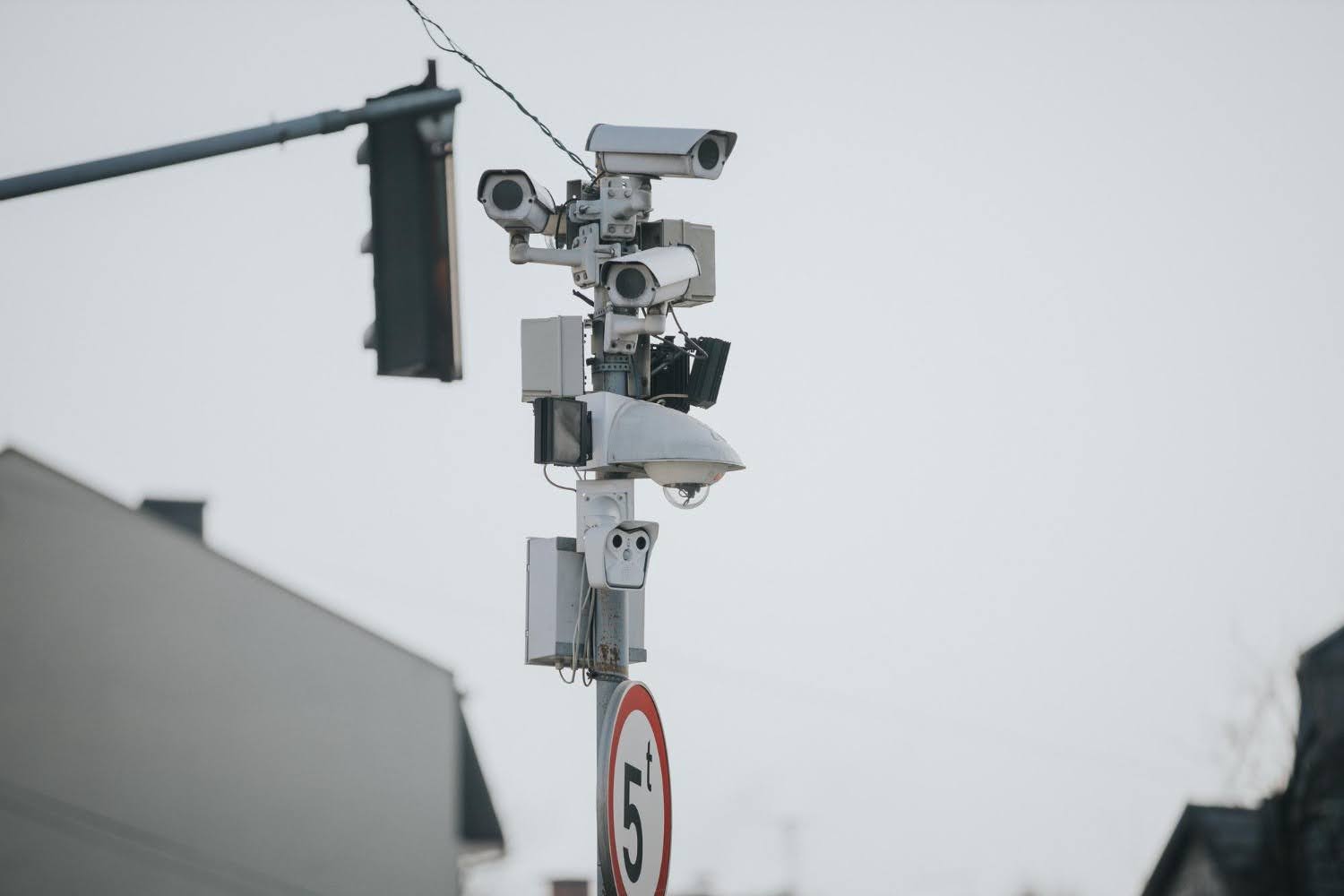
Surveillance footage is one of the most effective tools for identifying a driver who fled the scene. But here’s the problem: most security systems overwrite footage within 24 to 72 hours. That window closes fast.
Where to Look for Footage
Traffic cameras, business security cameras, dashcam footage from nearby vehicles, and even residential doorbell cameras can all capture a fleeing vehicle. Gas stations, convenience stores, parking lots, and banks are especially likely to have cameras pointed at the road.
Acting quickly is the key. Once footage is overwritten, it’s gone permanently. An attorney can send formal preservation letters to businesses and city agencies demanding that footage be saved before it’s deleted. That legal step alone can preserve evidence that makes the difference between identifying the driver and having no case at all.
How Footage Builds Your Case
Once footage is preserved, it can reveal the other vehicle’s make, model, and partial or full license plate number. That information can then be matched against accident reports, DMV records, and other databases to identify the at-fault driver.
Identifying the driver opens up additional legal options beyond your UM claim, including filing a direct lawsuit against the responsible party. The more evidence preserved early, the stronger your case becomes. Speed and legal know-how matter more here than almost anywhere else in the claims process.
Step 8: Know Your Legal Options for Recovering Compensation
After a hit-and-run, victims in Atlanta may have more than one path to compensation. Understanding all of them helps you make smart decisions rather than settling for less than you deserve.
| Legal Avenue | When It Applies | Potential Recovery |
| Uninsured Motorist Claim | Driver not identified or has no insurance | Medical bills, lost income, pain and suffering |
| Direct Lawsuit Against Driver | Driver is identified through investigation | Full damages including punitive damages in some cases |
| Underinsured Motorist Claim | Driver found but has insufficient coverage | The gap between their policy limits and your damages |
| Third-Party Liability | Another party contributed to the crash (e.g., road defect) | Damages tied to that party’s negligence |
Rafaeli Law was built specifically to handle the kind of aggressive insurance negotiations and legal strategies that hit-and-run accidents require. Joey Rafaeli spent years representing clients against major insurance companies before founding the firm, which means the team understands exactly how insurers try to minimize payouts and how to push back effectively.
The Timeline That Matters: Georgia’s Statute of Limitations
Georgia gives hit-and-run victims a limited window to take legal action. Missing these deadlines can permanently bar your right to compensation, regardless of how strong your case is.
Here are the key time limits to know:
- Report the accident to police — immediately or as soon as physically possible
- Notify your insurance company — within the timeframe stated in your policy, often 30 days
- File a personal injury lawsuit — within 2 years of the accident date under Georgia’s statute of limitations
- File a property damage claim — within 4 years under Georgia law
- Preserve surveillance footage — within 24 to 72 hours before it’s overwritten
- Send preservation letters to businesses — within the first day or two after the accident
These deadlines may seem distant right after a crash, but time moves quickly when you’re dealing with injuries and recovery. Starting the legal process early gives your attorney room to investigate, gather evidence, and build the strongest possible case.
Take Back Control After a Hit-and-Run & Contact Rafaeli Law Today
Being left at the scene of a crash by a driver who chose to flee is not just frightening; it’s a serious injustice. But hit-and-run accidents in Atlanta don’t have to end with you paying out of pocket for someone else’s wrongdoing. You have real legal rights, and acting quickly is the best thing you can do to protect them.
From gathering surveillance footage to filing uninsured motorist claims and identifying the at-fault driver, every step matters. The sooner you get legal support, the better your chances of recovering full compensation for your injuries, vehicle damage, and everything else you’ve been put through.
Rafaeli Law offers a free consultation for hit-and-run accident victims in Atlanta. There’s no cost to learn where you stand legally and what your options are. Talk to an Atlanta hit-and-run attorney today and take the first step toward getting the compensation you deserve.
Rafaeli Law PLLC handles cases on a contingency fee basis, meaning you pay no attorney fees unless your case results in a recovery.