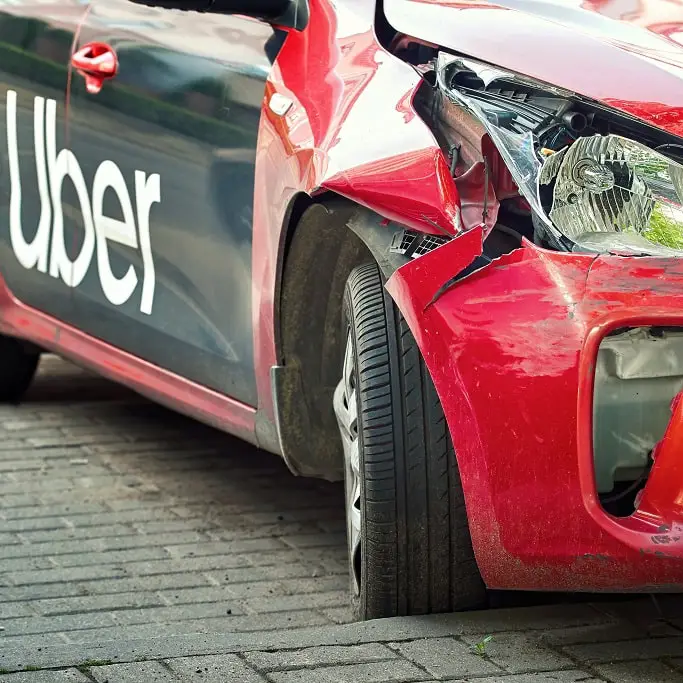
Rideshare Accident Lawyers

Skilled Legal Counsel for the Injured

Rideshare accidents can be confusing and stressful experiences. When you’re injured in an Uber, Lyft, or other rideshare vehicle, the path to fair compensation can be filled with complications, from unclear insurance coverage to multiple at-fault parties. At Rafaeli Law PLLC, we help injury victims navigate these challenges with clear guidance, strategic legal action, and results-focused advocacy. Learn more about our personal injury services or review our case results for examples of successful outcomes.

Understanding Rideshare Accidents

Rideshare services have transformed personal transportation, offering convenience and affordability. However, the rapid rise of these platforms has also brought new types of legal and insurance challenges. Unlike traditional car accidents, rideshare crashes can involve:

  • Multiple layers of liability: Drivers, rideshare companies, other motorists, and even third-party manufacturers may all share blame. These overlapping responsibilities require careful evidence gathering and negotiation.
  • App-based insurance coverage: The driver’s app status at the time of the crash determines which insurance policy applies — whether the personal policy or the corporate rideshare coverage.
  • Complex evidence trails: GPS data, app logs, and digital trip records must be preserved and analyzed, which is why involving a rideshare accident attorney early can protect vital evidence.

For a deeper look into our approach, visit our Our Attorneys page.

Key Statistics About Rideshare Accidents

Rideshare-related collisions have become a growing part of modern traffic incidents. National and regional studies show that:

  • The introduction of rideshare services has been linked to a 2%–3% increase in overall traffic fatalities in major U.S. cities.
  • According to the Insurance Institute for Highway Safety (IIHS), rideshare drivers often drive long hours in high-density areas, increasing exposure to accidents.
  • The average injury claim from rideshare-related collisions can exceed $25,000, surpassing many drivers’ personal insurance limits.
  • The National Highway Traffic Safety Administration (NHTSA) reports over 5.2 million police-reported vehicle crashes annually in the U.S., highlighting the widespread need for safe rideshare operations (NHTSA Data).

These figures underscore the growing risks associated with rideshare services and the importance of expert legal guidance.

Who Can Be Liable in a Rideshare Accident?

Liability depends on the driver’s connection to the rideshare platform at the moment of the crash:

  1. Driver Off-Duty – If the driver was not using the app, only their personal auto insurance applies.
  2. App On, No Passenger Yet – Once the driver is logged into the rideshare platform but hasn’t accepted a ride, limited coverage applies (e.g., $50,000 per person, $100,000 per accident in bodily injury liability, and $25,000 in property damage).
  3. Active Ride or Passenger Onboard – When the driver is transporting or en route to a passenger, the company’s full commercial policy applies, typically offering up to $1 million in liability coverage.

Because determining coverage depends on app data and driver activity, consulting a car accident attorney can help uncover the right insurance sources.

Common Victims and Causes of Rideshare Collisions

Anyone can be affected by a rideshare crash:

  • Passengers were injured during a trip.
  • Rideshare Drivers are hurt while working.
  • Third-Party Drivers involved in a multi-vehicle collision.
  • Pedestrians & Cyclists are struck by distracted or fatigued rideshare drivers.

Common Causes of Rideshare Accidents

Rideshare drivers face unique risks:

  • Distracted driving: Managing apps and maps while driving.
  • Fatigue: Long shifts cause slower reactions.
  • Speeding: Rushing between pickups to maximize income.
  • Unfamiliar routes: Sudden stops or illegal turns on new roads.

Read more about related injury types on our motor vehicle accident page.

Insurance in Rideshare Accidents

Insurance is one of the most complicated parts of any rideshare injury claim.

How Rideshare Insurance Works

  • Offline: The driver’s personal policy applies.
  • App On (No Ride): Limited coverage from Uber or Lyft applies.
  • Active Ride: The rideshare company’s commercial coverage applies, often up to $1 million.

Challenges in Making a Claim

Victims often face insurer disputes about app activity, policy limits, and exclusions. An experienced rideshare lawyer can ensure all coverage layers are pursued properly.

For guidance on similar cases, visit our Truck Accident and Motorcycle Accident pages.

Steps to Take After a Rideshare Accident

Taking the right steps after an accident strengthens your case:

  1. Seek medical attention immediately, documentation supports future claims.
  2. File a police report and notify the rideshare platform.
  3. Gather evidence: photos, driver information, trip confirmation, and witnesses.
  4. Consult an attorney before speaking with insurance adjusters.

For additional guidance on documentation and claims, explore our Resources page.

Damages You May Be Entitled To

Rideshare accident victims can recover compensation for:

  • Medical expenses: Hospitalization, rehab, medication, and ongoing treatment.
  • Lost income: Both short-term and long-term wage loss.
  • Pain and suffering: Emotional trauma, anxiety, and reduced quality of life.
  • Property damage: Repair or replacement of vehicles and valuables.
  • Punitive damages: In cases of reckless or intentional misconduct.

Each claim’s value varies, but thorough documentation can help your personal injury attorney secure the maximum possible recovery.

How a Rideshare Accident Lawyer Can Help

Working with a rideshare attorney gives you access to resources such as expert witnesses, accident reconstructionists, and legal investigators. They can:

  • Gather critical app and driver data to prove fault.
  • Manage insurer negotiations and prevent undervalued offers.
  • File timely claims and ensure compliance with state statutes.

Our team handles every phase from negotiation to trial, ensuring you can focus on recovery. You can read more about our firm’s dedication on our Our Story & Core Values page.

Why Hire Rafaeli Law PLLC

  • Proven experience – Decades of combined experience in personal injury and rideshare litigation.
  • Client-first focus – Transparent communication and individualized care.
  • Results-driven representation – Aggressive advocacy for maximum recovery.
  • No upfront costs – We only get paid when we win.

Our Testimonials highlight how we’ve helped clients recover life-changing compensation.

Rideshare Accident Case Overview Table

Case Aspect

Description

Example or Range

Common Parties Involved

Injured passengers, rideshare drivers, third-party drivers, pedestrians, and cyclists.

Multi-vehicle crashes involving Uber/Lyft cars.

Insurance Coverage Phases

Varies based on driver app status: off-duty (personal policy), app-on (limited coverage), or ride accepted (commercial coverage).

Up to $1 million liability coverage for active rides.

Average Settlement Range

Dependent on injuries and liability; ranges between $15,000 – $250,000+ in personal injury claims.

Severe cases can exceed $500,000.

Top Causes

Distracted driving, fatigue, speeding, poor route awareness.

Driver multitasking on GPS or accepting new ride requests.

Evidence Collected

App data, dashcam footage, witness statements, vehicle telematics, police reports.

Digital ride logs showing pickup/drop-off data.

Legal Process Steps

Investigation, insurance negotiation, medical review, filing claim, litigation (if needed).

Typical timeline: 6–18 months depending on case complexity.

Potential Damages

Medical costs, lost income, pain and suffering, property damage, punitive damages.

Catastrophic injury claims include long-term care costs.

Attorney Role

Handles investigation, negotiation, litigation, and client communication.

Provides case updates and ensures fair compensation.

Statute of Limitations

Most jurisdictions allow 2–4 years to file personal injury claims.

Delays can forfeit your right to compensation.

Testimonials

What Our Clients Are Saying

Hear from the clients who trusted us to fight for their justice—and found peace, resolution, and results.

FAQ

Frequently Asked Questions

1. What should I do right after a rideshare accident?

Seek medical help immediately and document every detail. Even if injuries seem minor, keep medical records and photos; they can strengthen your claim.

2. How much compensation can I receive for a rideshare accident?

Each case is unique, but victims can recover for medical bills, lost wages, and pain and suffering. Severe injury cases can reach six-figure settlements depending on liability and policy limits.

3. Who pays for my medical bills after a rideshare crash?

Typically, your own insurance covers initial costs under personal injury protection (PIP). Additional costs may be recovered through the rideshare company’s or driver’s insurance policy.

4. Can passengers sue Uber or Lyft directly?

In many cases, yes, if company negligence contributed to the accident or their driver was actively working during the crash.

5. What if the rideshare driver was off-duty or using another app?

If the driver wasn’t logged into Uber or Lyft, their personal auto insurance applies. Identifying app status is crucial for determining coverage.

6. Are rideshare drivers considered employees or independent contractors?

Most are classified as independent contractors, which can affect direct company liability — but experienced attorneys can still pursue compensation through the company’s commercial policy.

7. How long does a rideshare accident case take to resolve?

Average cases take 6–18 months, depending on evidence, injuries, and insurer cooperation. Complex multi-party cases can take longer.

8. Do I need a lawyer even if I have insurance?

Yes. Insurers often minimize payouts. A rideshare accident lawyer ensures you recover full compensation and protects your rights during negotiations.

9. Can I get compensation if I was partially at fault?

Yes, under comparative negligence laws. Your compensation may be reduced by your percentage of fault, but you can still recover damages.

10. What evidence is most important for my rideshare claim?

Trip receipts, driver data, photos, medical records, and police reports. Your attorney can subpoena rideshare app logs to prove liability.

Schedule a Consultation

Get a Free Consultation

If you are facing a personal injury or insurance dispute, Rafaeli Law PLLC is here to help. We are dedicated to protecting your rights and helping you secure the compensation you deserve.