Atlanta Nursing Home Negligence Lawyer – Protecting Your Loved Ones

If you suspect your loved one has been mistreated or harmed in a care facility, an experienced Atlanta nursing home negligence lawyer at Rafaeli Law PLLC can help. We stand up for the elderly and vulnerable residents in Georgia’s assisted living and long-term care facilities, ensuring their rights and safety are protected through aggressive legal representation.

What Is Nursing Home Negligence?

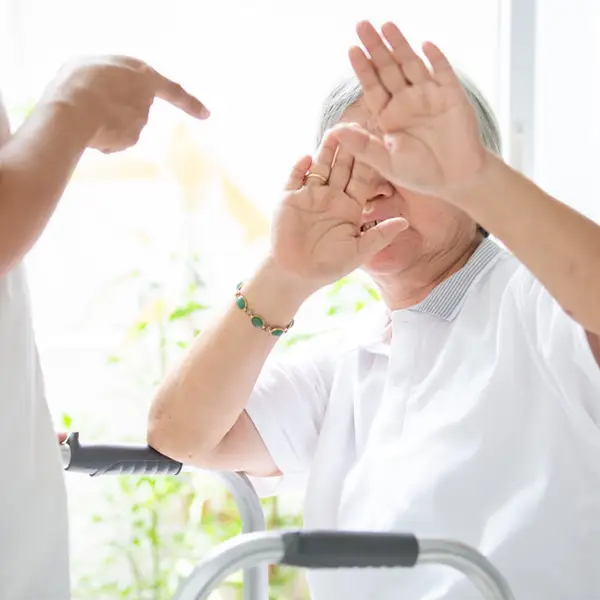
Nursing home negligence occurs when a facility or its staff fails to provide the level of care required by law, resulting in physical, emotional, or psychological harm to a resident. Georgia law mandates a “standard of care” that includes adequate food, shelter, medical attention, safety, and protection from abuse or neglect.

Types of negligence include:

  • Medical neglect: This involves failing to administer medications, delay in treating injuries, misdiagnosing conditions, or ignoring medical needs, leading to worsening conditions or even death. Such neglect can also violate Georgia’s medical malpractice standards.
  • Neglect of basic needs: Includes failing to provide residents with proper nutrition, hydration, hygiene, or a clean environment, which may result in infections, malnutrition, and poor quality of life. Neglect here can quickly escalate into life-threatening emergencies.
  • Emotional or social neglect: Residents may be left isolated for long periods or subjected to verbal abuse, causing depression, anxiety, or a sense of abandonment. This type of neglect can deeply affect mental health, especially among Alzheimer’s or dementia patients.

According to the National Center on Elder Abuse (NCEA), nearly 10% of U.S. elders suffer some form of abuse annually, and many never report it. Georgia’s Department of Community Health oversees regulation, but legal enforcement is often required to ensure justice.

Learn more about our attorneys who fight for justice in elder care cases.

Common Signs of Nursing Home Neglect and Abuse

Loved ones may not always be able, or willing, to communicate abuse or neglect. It’s crucial to stay vigilant and watch for red flags.

  • Unexplained bruises or fractures: These could indicate physical abuse or repeated falls due to neglect. Investigations often reveal understaffing or poor supervision as root causes.
  • Sudden weight loss or malnutrition: A sign of poor diet, skipped meals, or untreated medical conditions. Inadequate staffing levels are often behind these systemic issues.
  • Poor hygiene or soiled clothing: Suggests inadequate bathing, laundry, or caregiver assistance. Infections and sores often follow these hygiene failures.
  • Bedsores or pressure ulcers: Caused by immobility and failure to reposition patients regularly. According to the CDC, up to 1 in 10 nursing home residents suffer from pressure ulcers.
  • Emotional withdrawal or depression: Isolation, verbal mistreatment, or lack of stimulation can lead to severe emotional decline.
  • Frequent infections or untreated medical issues: Point to a lack of medical oversight or unclean conditions.

According to AARP, nearly 95% of nursing home residents have witnessed or experienced neglect. Atlanta families can contact our experienced attorneys for a confidential evaluation.

Who Can Be Held Liable in Nursing Home Negligence Cases?

Negligence in care homes can be systemic. Our firm identifies all potentially liable parties to hold them accountable:

  • Facility owners and operators: Legally responsible for hiring practices, staffing levels, and safety protocols.
  • Administrators and managers May face liability for failing to respond to complaints or falsifying records.
  • Staff and caregivers: Can be held individually responsible for direct abuse or failing to meet care standards.
  • Third-party vendors, Such as food service or medical suppliers, who contribute to unsafe conditions.

We use records, witness testimony, and facility audits to pursue compensation from every liable source.

Key Differences Between Negligence, Abuse, and Accidents in Nursing Homes

Type

Definition

Common Signs

Legal Implications

Negligence

Failure to provide standard care, often due to carelessness

Bedsores, poor hygiene, and malnutrition

Civil liability; possible regulatory fines

Abuse

Intentional harm, physical, emotional, sexual, or financial

Bruises, fearfulness, withdrawal

Civil and criminal penalties

Accidents

Unavoidable events despite reasonable care

Falls with documentation, equipment failure

May not lead to liability if protocols are followed

Why Choose Rafaeli Law PLLC as Your Personal Injury Lawyer

  • Focused Experience: Our firm has a proven record of representing victims in elder abuse and nursing home negligence cases across Georgia.
  • Compassionate Legal Team: We treat every client like family and approach each case with sensitivity and care.
  • Aggressive Investigation: We work with medical experts, investigators, and regulatory bodies to uncover the truth and hold negligent facilities accountable.
  • No Fees Unless We Win: You only pay when we recover compensation for your case.
  • Free Case Consultation: We offer no-obligation evaluations to help families understand their legal rights.

Learn more about our story and how we fight for justice.

Speak with an Atlanta Nursing Home Negligence Lawyer Today

If you’re concerned about the treatment of a loved one in a Georgia care facility, turn to Rafaeli Law PLLC. We offer compassionate and aggressive representation to families across Atlanta, Fulton County, and North Georgia.

Call 954-365-5639 or reach out online for a free, confidential consultation.

Stay updated through our legal resource blog.

Testimonials

What Our Clients Are Saying

Hear from the clients who trusted us to fight for their justice—and found peace, resolution, and results.

FAQ

Frequently Asked Questions

1. What should I do if I suspect nursing home abuse in Atlanta?

Immediately document the signs, report to Adult Protective Services (1-866-552-4464), and contact an attorney. Time-sensitive evidence matters.

2. How long do I have to file a nursing home negligence lawsuit in Georgia?

The statute of limitations is two years, but specific factors may extend or shorten this period. Early legal advice is key.

3. Can I file a lawsuit on behalf of my parent?

Yes. As a legal guardian, executor, or next of kin, you can pursue justice if your loved one is unable to advocate for themselves.

4. What compensation is available in a Georgia nursing home lawsuit?

Compensation may include medical bills, pain and suffering, relocation expenses, and punitive damages in extreme cases.

5. How do I prove negligence in a nursing home case?

Evidence includes medical records, witness statements, staff logs, inspection reports, and expert testimony.

6. Are nursing home abuse cases common in Georgia?

Yes. In 2022, over 11,000 elder abuse reports were filed statewide. Many cases involve neglect at licensed facilities.

7. Can Rafaeli Law help if my loved one passed away from neglect?

Yes. We represent families in wrongful death lawsuits arising from nursing home neglect and abuse.

8. Does Rafaeli Law charge upfront legal fees?

No. We operate on a contingency fee basis; you only pay if we win your case.

9. What role does the Georgia Long-Term Care Ombudsman play?

This state-appointed office advocates for nursing home residents and helps investigate complaints.

10. How can I monitor a nursing home’s track record in Georgia?

You can check inspection reports at the Georgia Healthcare Facility Regulation Division.

Schedule a Consultation

Get a Free Consultation

If you are facing a personal injury or insurance dispute, Rafaeli Law PLLC is here to help. We are dedicated to protecting your rights and helping you secure the compensation you deserve.