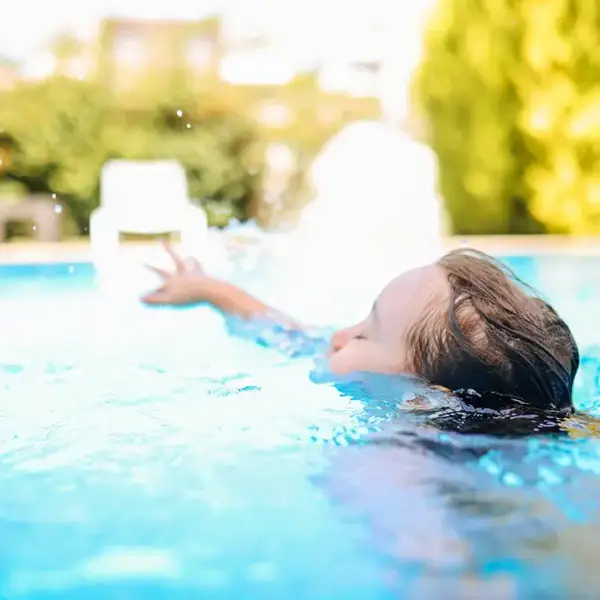
Atlanta Drowning & Pool Accident Lawyer – Legal Help for Tragic Water-Related Injuries

Justice for Drowning Victims and Families in Atlanta, GA

When a pool accident or drowning happens, the consequences are devastating, especially when it could have been prevented. At Rafaeli Law PLLC, our Atlanta drowning accident lawyers fight for families who’ve lost loved ones or witnessed severe, life-altering injuries due to negligence around pools and water facilities. Whether the incident occurred at a private residence, hotel, public pool, or apartment complex, we are prepared to hold negligent parties accountable.

Free Consultation: Call us 24/7 at 954-365-5639 or contact us online to discuss your case.

Types of Drowning and Pool Accidents in Atlanta

Atlanta sees thousands of pool-related accidents every year, especially during warmer months. Pool safety isn’t just about swimming; it’s about maintaining safe conditions, enforcing rules, and ensuring supervision.

Common Drowning and Pool Incidents:

  • Child Drownings – Children aged 1–4 are at the highest risk, often due to unsupervised access or lack of barriers. Georgia law requires fencing and alarms in many settings. These tragic events are preventable and often occur in home or apartment complex pools.
  • Near-Drowning Events – Survivors may suffer brain damage, memory loss, or permanent disability from oxygen deprivation, requiring extensive medical care and lifelong support.
  • Lifeguard Negligence – Inattentive or undertrained lifeguards can fail to act during emergencies at hotels, public pools, and resorts. Timely action is crucial to prevent injury or death.
  • Private Pool Accidents – Lack of safety features like fences, pool covers, or non-slip surfaces can lead to tragic outcomes. Property owners are required to take reasonable steps to secure the area.
  • Faulty Equipment or Drain Entrapments – Defective pool filters, broken ladders, or powerful suction drains can entrap swimmers underwater. The Virginia Graeme Baker Pool and Spa Safety Act aims to reduce these incidents through regulation.

To learn more about related injury cases, visit our Premises & Property Injuries, Slip & Fall, and Medical Malpractice pages.

Atlanta Pool Safety Statistics

According to the Georgia Department of Public Health, drowning is the second leading cause of injury death for children aged 1–14 in the state. Metro Atlanta counties report dozens of fatal and near-fatal pool accidents every year.

Nationally:

  • About 4,000 fatal unintentional drownings occur annually in the U.S. (CDC)
  • 8,000+ non-fatal drownings result in long-term medical complications each year
  • Children who survive may experience life-long physical and neurological impairment

In Georgia, most child drownings happen in backyard or apartment complex pools where supervision or pool maintenance is lacking.

Source: Georgia DPH Child Fatality Review Annual Report, CDC Drowning Statistics

Who Can Be Held Liable in a Drowning Accident?

Liability depends on where and how the accident occurred. Our Atlanta drowning attorneys investigate all parties who may be at fault.

Potentially Liable Parties:

  • Homeowners or Pool Owners – May be responsible for unsafe conditions or lack of fencing. Georgia premises liability law requires homeowners to secure their pool areas to prevent unauthorized access.
  • Apartment Complex or HOA – Negligence in maintenance, signage, or supervision policies. Common failures include unlatched gates, no lifeguards, or broken safety equipment.
  • Hotel or Resort Operators – Often fail to provide adequate supervision or comply with pool safety codes. Lack of warning signs or improperly trained staff is frequently cited in lawsuits.
  • Product Manufacturers – Defective pool covers, ladders, or filters can be grounds for product liability. Injuries caused by design or manufacturing flaws may entitle you to compensation from the maker.
  • Lifeguard Companies – Can be liable if their staff were distracted, underqualified, or absent. Many cases reveal poor hiring or inadequate emergency training protocols.

Our legal team will examine maintenance records, surveillance footage, witness statements, and safety compliance logs. For more information about general injury claims, explore our Personal Injury page.

Georgia Pool Safety Regulations and Requirements

Regulation/Requirement

Description

Fencing Laws

Georgia law requires that residential swimming pools be enclosed by a barrier at least 4 feet high with a self-closing, self-latching gate to prevent unsupervised access by young children.

Alarm Systems

Many counties recommend or mandate pool alarms that alert homeowners if someone enters the pool area unexpectedly. This adds a second layer of safety to prevent drowning.

Public Pool Standards

The Georgia Department of Public Health enforces specific codes for public swimming pools, including water quality testing, lifeguard requirements, signage, and emergency equipment.

Drain Safety Compliance

Under the federal Virginia Graeme Baker Pool and Spa Safety Act, pools must have anti-entrapment drain covers to prevent suction accidents. Georgia adheres to these guidelines.

Lifeguard Certification

Lifeguards at public pools and certain private facilities must be trained in CPR, first aid, and undergo state-approved certification programs to ensure readiness for emergencies.

Water Quality Regulations

Regular testing of chlorine levels, pH balance, and overall water sanitation is mandatory for public pools to prevent illness or infection outbreaks.

Maintenance Logs

Owners and operators must maintain records of inspections, cleaning, repairs, and water treatment to show compliance in the event of an accident.

Signage Requirements

Pools must post clear safety signage indicating depth, diving rules, and emergency contact info. Lack of signage can contribute to liability in legal cases.

Damages Available in Drowning or Pool Accident Cases

Survivors or families may recover compensation for:

  • Medical Expenses – Emergency care, ICU stays, therapy, rehabilitation. In severe cases, the cost can run into hundreds of thousands of dollars.
  • Pain and Suffering – Physical trauma, PTSD, emotional anguish. Courts consider the impact on daily life, relationships, and mental health.
  • Loss of Future Income – Especially in permanent injury or fatality cases. Experts help determine the future earning potential lost due to the accident.
  • Wrongful Death – Funeral expenses, loss of companionship, punitive damages. These claims recognize the emotional and financial void left by the victim’s death.

Visit our Wrongful Death page for more detailed insight into fatal accident claims.

Why Choose Rafaeli Law PLLC as Your Personal Injury Lawyer

  • Trial-Ready Advocacy – We prepare every case like it’s going to court. This allows us to negotiate from a position of strength.
  • Access to Experts – We consult pool safety engineers, medical specialists, and accident reconstructionists. These professionals support your claim with credible findings.
  • No Upfront Costs – You pay nothing unless we win. We work on a contingency fee basis, ensuring accessible legal support.
  • Local Focus – We serve clients in Atlanta, Fulton County, and throughout Georgia. Our understanding of local safety regulations and legal culture benefits your case.

Check out our proven results on our Case Results page or read feedback on our Testimonials page. Learn more about our Attorneys and the Core Values that shape how we serve our community.

What to Do After a Pool Accident in Atlanta

Time is critical when responding to a pool injury or drowning. Here’s what to do:

  1. Call 911 immediately – Get emergency responders on scene fast. Minutes matter in preventing long-term brain injury or death.
  2. Preserve Evidence – Take photos of the pool area, missing signs, fences, or safety violations. Evidence supports liability in a legal claim.
  3. Get Medical Help – Even if the victim seems okay, seek an evaluation for delayed symptoms. Some brain injuries take hours to become visible.
  4. Do Not Accept Early Settlements – Insurers may try to rush a lowball payout. Once accepted, you may lose your right to further compensation.
  5. Contact an Attorney – Early legal action preserves your right to full compensation. Our team begins investigations while details are fresh.

Need help now? Contact us for a free case review.

Contact an Atlanta Pool Accident Attorney Today

You deserve answers and justice after a water-related tragedy. Let us take legal action while you focus on healing and rebuilding your life. Our team is ready to evaluate your case, guide you through the process, and fight for the compensation you deserve. Contact us today to get started.

Testimonials

What Our Clients Are Saying

Hear from the clients who trusted us to fight for their justice—and found peace, resolution, and results.

FAQ

Frequently Asked Questions

1. What should I do if someone drowns in a private pool in Atlanta?

Immediately call 911 and begin CPR if trained. Document the scene, gather witness statements, and contact a qualified Atlanta drowning & pool accident lawyer to discuss potential legal claims involving negligence or safety violations.

2. Who can be held liable for a pool drowning accident in Georgia?

Liability can fall on property owners, pool maintenance companies, lifeguards, or even product manufacturers (e.g., defective drain covers). Georgia premises liability law considers factors like pool access control and adherence to safety codes.

3. Are pool owners in Atlanta required to have fencing around their pools?

Yes, Georgia law mandates a four-foot barrier with a self-latching gate around residential pools to reduce the risk of unsupervised child access. Lack of fencing can be seen as negligence in a legal claim.

4. Can I sue a hotel in Atlanta if a loved one drowned in their pool?

Yes, if the hotel failed to meet safety regulations, such as proper lifeguard staffing, signage, or maintenance, you may have grounds for a wrongful death or premises liability lawsuit. Contact us to evaluate your case.

5. How long do I have to file a drowning injury or death lawsuit in Georgia?

Under Georgia law, the statute of limitations for personal injury or wrongful death claims is generally two years from the date of the incident. It’s crucial to act quickly to preserve evidence.

6. What are common causes of pool drownings in Atlanta?

Top causes include lack of supervision, missing fencing, lifeguard negligence, slippery surfaces, and faulty pool equipment. Many incidents happen in apartment complexes and hotels that fail to comply with state codes.

7. How can a lawyer help after a pool accident in Georgia?

An experienced attorney will gather evidence, consult safety experts, deal with insurance companies, and build a case to secure compensation for medical bills, pain and suffering, or wrongful death damages.

8. Are public pools in Atlanta required to have lifeguards?

Yes, under Georgia regulations, public pools, such as those at community centers or hotels, must provide certified lifeguards during operating hours unless signs clearly state “Swim at Your Own Risk.”

We proudly represent families across Atlanta, including Sandy Springs, Decatur, Marietta, and Brookhaven.

Schedule a Consultation

Get a Free Consultation

If you are facing a personal injury or insurance dispute, Rafaeli Law PLLC is here to help. We are dedicated to protecting your rights and helping you secure the compensation you deserve.