
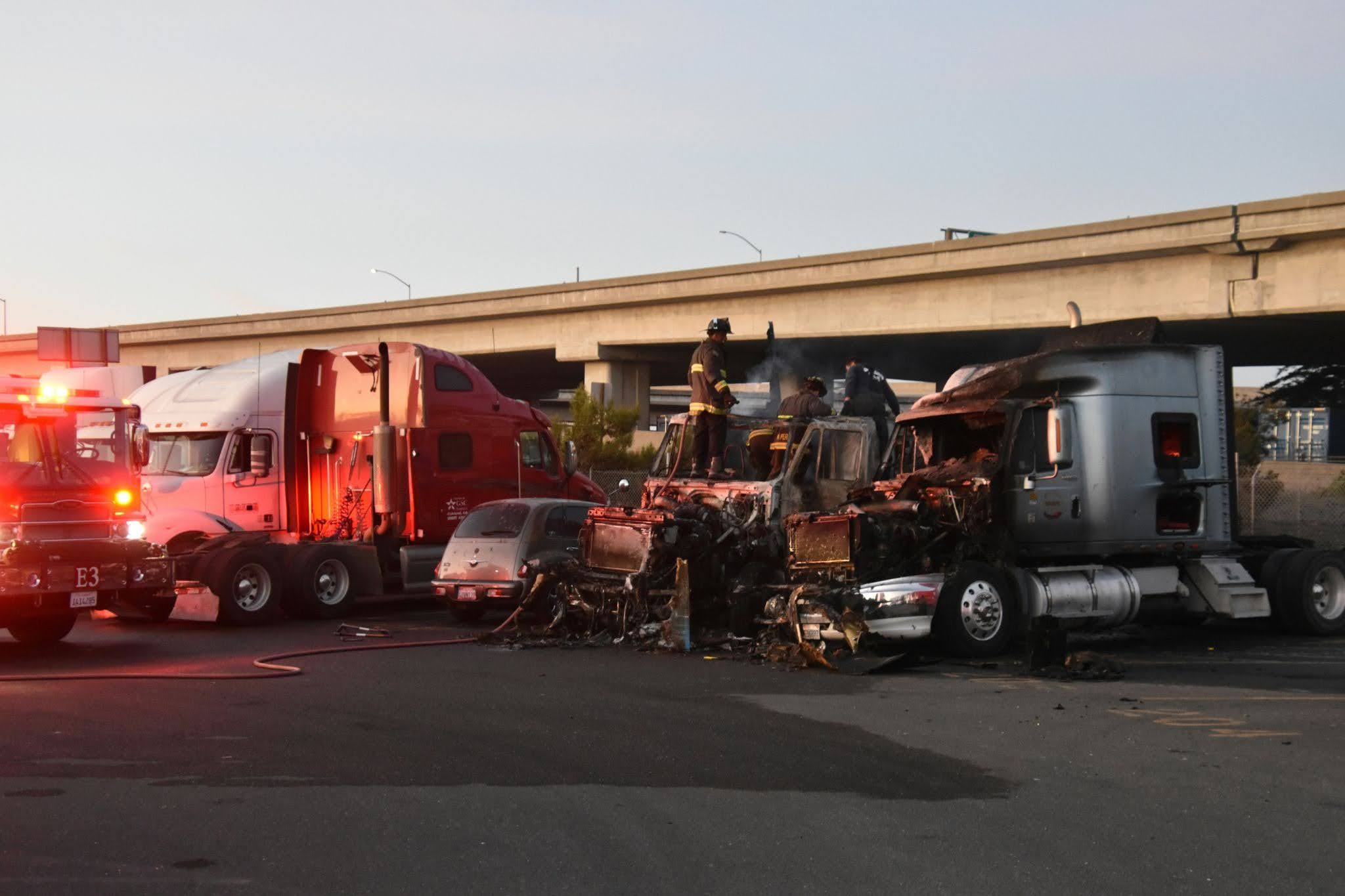
A truck accident can turn your life upside down in seconds. The injuries are often severe, the medical bills pile up fast, and the legal process that follows is far more complicated than most people expect.
Commercial truck accidents are not like typical car accidents. Multiple parties may be responsible: the truck driver, the trucking company, a cargo loader, a vehicle manufacturer, or even a maintenance contractor. Each of those parties has legal teams and insurance carriers working immediately to protect their interests.
That is why knowing what to do after a truck accident matters so much. The decisions you make in the hours and days following a collision can directly affect your ability to recover fair compensation. Acting quickly preserves evidence, protects your rights, and puts you in a stronger position when dealing with insurers who are already building a case against you.
This guide walks you through each critical step so you know exactly what to do and why it matters.
Step 1: Prioritize Safety & Get Medical Help Right Away
Your health comes first, always. If you can move safely, get yourself and others away from traffic. Call 911 immediately, even if injuries seem minor at first.
Never skip medical care because you feel okay at the scene. Adrenaline masks pain. Serious injuries like internal bleeding, traumatic brain injuries, and spinal damage may not show symptoms for hours or even days.
When paramedics arrive, be honest about every symptom, no matter how small it seems. Follow up with a doctor as soon as possible, even if you leave the scene without going to the hospital.
Seeking prompt medical care does two things: it protects your health, and it creates a medical record that documents your injuries. That record becomes one of the most important pieces of evidence in your claim.
Step 2: Call the Police & Wait for the Report
Do not leave the scene before law enforcement arrives. A police report is a foundational document in any truck accident claim. It records the facts of the crash, identifies the parties involved, and sometimes includes an initial assessment of fault.
In Florida, you are legally required to report accidents involving injury, death, or significant property damage. Make sure officers are called regardless of what the other parties say at the scene.
When speaking with police, stick to the facts. Do not speculate about fault or apologize. Statements made at the scene can be used later by insurance companies to reduce or deny your claim.
Request a copy of the police report as soon as it becomes available. Your attorney will use this document to establish the timeline of events and support your account of what happened.
Step 3: Gather Evidence at the Scene
If your injuries allow it, start documenting the scene immediately. Evidence disappears fast, skid marks fade, debris gets cleared, and memories become less reliable over time.
Here is what to collect at the scene if you are physically able to do so:
- Photos and videos of all vehicles involved, including the truck’s license plate, cargo, and any visible damage
- Photos of the road, traffic signs, weather conditions, and your visible injuries
- Contact information for the truck driver, including their commercial license number
- Names and phone numbers of all witnesses
- The trucking company’s name, the truck’s DOT number, and any markings on the trailer
- Any dashcam footage from your vehicle or nearby cameras
Do not move vehicles or disturb physical evidence before it is documented.

Step 4: Understand Why Truck Accident Claims Are More Complex
Truck accidents involve layers of legal complexity that standard car accidents simply do not have. Understanding these differences helps explain why early legal involvement matters so much.
| Factor | Car Accident | Truck Accident |
| Parties potentially liable | Driver | Driver, trucking company, cargo loader, manufacturer, maintenance provider |
| Insurance coverage | Personal auto policy | Commercial policies, often multiple carriers |
| Evidence sources | Limited | Black box data, driver logs, maintenance records, cargo manifests |
| Regulatory framework | State traffic laws | Federal Motor Carrier Safety Administration (FMCSA) regulations |
| Insurer response time | Standard | Rapid deployment of accident investigation teams |
Commercial trucking companies send investigators to accident scenes almost immediately. They are trained to gather evidence that helps the company avoid liability before you have even spoken to a lawyer.
This is not a process you want to handle alone.
Step 5: Do Not Talk to the Trucking Company’s Insurer
After a crash, the trucking company’s insurance adjuster may contact you quickly. They may sound friendly and even sympathetic. Do not be fooled.
Insurance adjusters are trained to ask questions in ways that may get you to say something that reduces the value of your claim. They may offer a fast settlement that sounds appealing but falls far short of what your injuries actually cost.
You are not required to give a recorded statement to the other party’s insurance carrier. Politely decline until you have spoken with an attorney.
This does not mean being uncooperative; it means protecting yourself. Anything you say to the adjuster can and will be used to limit your payout. Waiting until you have legal representation on your side is one of the smartest moves you can make after a truck accident.
Step 6: Identify All Potentially Liable Parties
One of the biggest mistakes truck accident victims make is assuming only the driver is responsible. In reality, liability in these cases often extends far beyond the person behind the wheel.
Here is a breakdown of who may be liable in a Florida truck accident:
| Potentially Liable Party | Reason for Potential Liability |
| Truck driver | Negligent driving, fatigue, distracted driving, impairment |
| Trucking company | Poor hiring practices, inadequate training, pressure to violate rest rules |
| Cargo loading company | Improperly loaded or secured cargo that caused instability |
| Vehicle manufacturer | Defective parts such as brakes, tires, or steering systems |
| Maintenance contractor | Failure to properly inspect or repair the truck |
Identifying every liable party requires investigating records that trucking companies often try to protect or withhold. This is where experienced legal representation makes a direct difference in the outcome of your case.
Step 7: Preserve Evidence Before It Disappears
Time is not on your side after a truck accident. Critical evidence has a short shelf life, and commercial trucking companies know this.
Rafaeli Law acts quickly after a collision to send preservation letters, also called spoliation letters, to the trucking company. These legal notices require the company to preserve and not destroy key evidence.
Evidence that must be secured as soon as possible includes:
- The truck’s electronic logging device (ELD) and black box data
- Driver hours-of-service logs showing fatigue or violations
- Maintenance and inspection records for the truck
- Cargo loading documentation
- The trucking company’s internal communications about the driver or route
- Surveillance footage from nearby businesses or highway cameras
- Drug and alcohol test results taken after the crash
Without a formal legal demand, trucking companies may allow routine data deletion processes to erase this information. Once it is gone, it is gone.
Step 8: Know What Damages You May Be Entitled To Recover
Many truck accident victims underestimate the full value of their claim. A fair settlement should account for every way the crash has affected your life, not just the immediate medical bills.
In Florida, you may be able to recover compensation for:
- Medical expenses – past and future, including surgery, rehabilitation, and specialist care
- Lost wages – income you have already missed and future earning capacity if you are unable to return to work
- Pain and suffering – the physical and emotional toll of your injuries
- Property damage – vehicle repair or replacement costs
- Loss of enjoyment of life – when injuries prevent you from doing activities you previously valued
- Wrongful death damages – if the crash resulted in the loss of a loved one
Calculating these damages accurately requires a careful look at medical records, expert opinions, and an honest assessment of long-term impact. Settling too soon, before you understand the full scope of your injuries, can leave significant money on the table.
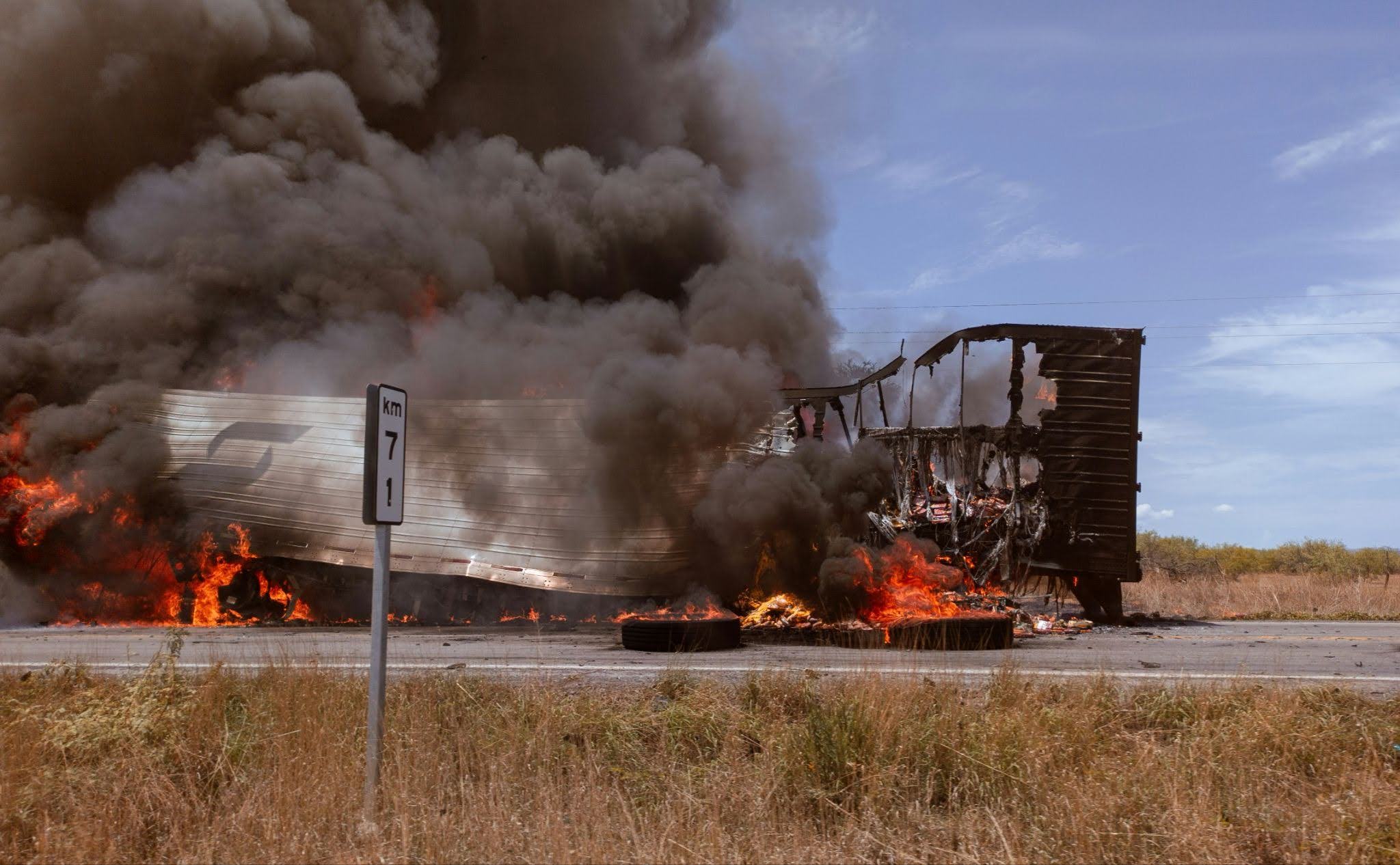
Step 9: Florida’s Deadlines You Cannot Afford to Miss
Florida law sets strict time limits on how long you have to file a personal injury lawsuit after a truck accident. Missing these deadlines can permanently bar you from recovering any compensation.
As of recent legislative changes in Florida, the statute of limitations for most personal injury claims is two years from the date of the accident. Wrongful death claims carry their own deadlines as well.
Two years may seem like plenty of time, but truck accident cases require months of investigation and preparation. Building a strong claim means collecting records, working with experts, and preparing for the possibility of litigation, all of which take time.
The earlier you contact an attorney, the more time your legal team has to build the strongest possible case on your behalf. Waiting also increases the risk that evidence is lost, memories fade, and legal options narrow.
At Rafaeli Law PLLC, we have seen firsthand how quickly trucking companies and their insurers work after an accident. Starting early gives you the best possible position heading into settlement negotiations or trial.
Your Next Step Starts Here
If you or someone you love has been injured in a truck accident in Florida, the window to act is shorter than most people realize. Trucking companies do not wait, and you should not either.
Contact Rafaeli Law today for a free consultation. Joey Rafaeli and the team bring hard-won experience from large-scale corporate litigation directly to your truck accident case, giving you the kind of strategic legal insight that makes a real difference when the other side has deep pockets and a team of adjusters working against you.
You deserve legal counsel that treats your case as the priority it is. Reach out now and take the first step toward protecting your rights and pursuing the full compensation you are owed.